
Informal vs. Formal Learning: Differences, Examples, and Benefits
Discover the differences between formal and informal learning and how each promotes skill development, professional growth, and lifelong learning.
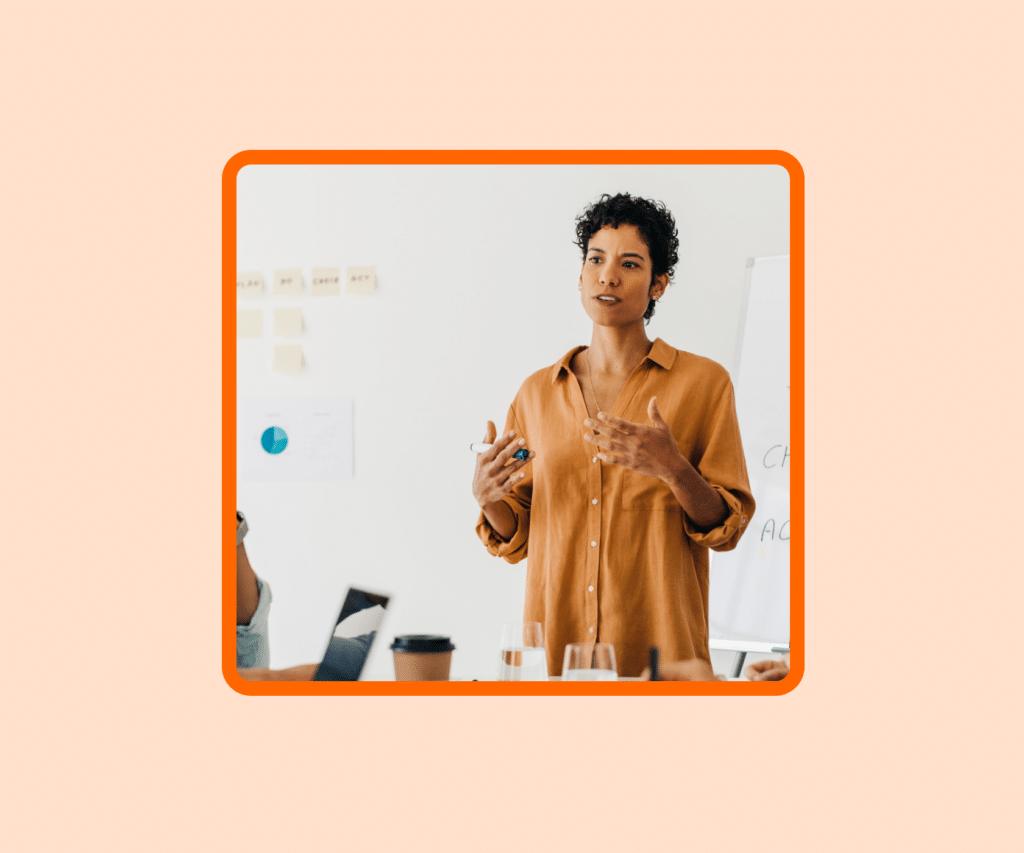
Introduction to learning types: Formal and informal experiences
If you ask any Learning and Development team how they provide employees with the skills and knowledge needed to succeed, they’ll start with workplace training: formal learning experiences like structured onboarding programs, instructor-led compliance training, and rigorously assessed technical skills training. But learning isn’t confined to conventional settings. Informal learning experiences—from quick hallway chats to self-directed research—can be just as valuable.
Both types of learning—formal and informal—significantly influence learner development from an early age. It’s the difference between learning the basics of persuasive writing in the classroom and learning the basics of social relationships in the school hallway. Pro tip: Use active language to engage your audience, and do NOT break up with your high school girlfriend over e-mail.
In this post, we’ll explore the key differences between formal and informal learning at work, check out examples of both, and learn how each one supports skill development, workplace training, and lifelong development.
Key Takeaways
- Formal learning experiences occur in a classroom-type setting, either guided by an instructor or through an LMS. It is structured, planned, and guided to help learners reach specific goals.
- Informal learning can occur anywhere, as it’s unplanned, often unintentional, and self-directed without a specific objective.
- Organizations employ a mixture of formal and informal learning experiences to give employees space to learn—not just from experts, but from peers and mentors, and exploring topics they’re curious about.
What is formal learning?
Formal learning delivers knowledge to intentionally achieve a goal. An instructor plans, organizes, and guides it in a structured environment like a classroom, lab, or online learning platform. Employees and students who complete formal learning courses often earn formal recognition to mark their training complete, such as certificates, degrees, or diplomas.
Organizations use formal learning methods to help employees meet learning objectives tied to measurable business outcomes. Take, for example, a training course for customer service reps to help them build better customer relationships. This not only improves employee productivity but also enhances customer satisfaction scores (CSAT).
What is informal learning?
Informal learning is just the opposite. It’s unstructured, often unintentional, and occurs outside the traditional learning environment. There’s no pre-set curriculum or aligned learning objectives, so learning happens spontaneously. Curiosity, rather than recognition, fuels these learner-driven experiences. Learning can happen at any time, without an instructor’s guidance or within a prescribed online course.
While informal learning isn’t planned in the workplace, organizations often encourage it. Formal mentorship programs give way to informal conversations in which more experienced employees pass down knowledge to new hires—knowledge that may not be part of the formal onboarding process but is nonetheless essential. Organizations build content libraries that employees can access at any time to foster a more flexible approach to learning.

Informal vs. formal learning: Key differences
Structure and organization
While formal learning is structured and organized for a specific purpose, informal learning is unstructured, unplanned, and doesn’t have to meet any specific objective. On the formal side, new warehouse employees complete workplace safety training courses to meet compliance requirements. Informally, a colleague might share an exercise they do at home to keep their back muscles strong for lifting heavy objects.
Assessment and certification
Formal learning experiences incorporate assessment and certification. Both in-person and online courses culminate in final assessments, supplemented with more frequent, but shorter quizzes. Learners receive diplomas, degrees, and certificates as formal recognition of their new skills and knowledge. Informal learning does not include skills assessment or certification.
Learning environment
A guided, classroom-type setting represents the most traditional formal learning environment. Online courses—both synchronous and asynchronous—qualify as formal as long as they are part of a structured curriculum.
Informal learning, on the other hand, can happen anywhere: across cubicle walls, on lunch break, and on the drive home. While organizations don’t intentionally prescribe informal learning, they do provide the environment that enables it. Internal knowledge bases, learning management systems (LMSs) stocked with supplemental content, and communities of practice offer employees ample opportunities to engage in training driven solely by their curiosity.
Learning pace and flexibility
Formal learning occurs within a specified timeline to meet desired deadlines and accommodate professional work schedules. Learners must complete their training within a structured time frame; doing so allows them to move on to the next course, module, or level.
Informal learning can happen at any moment, without a specific time frame in mind. This flexibility in informal learning means learners receive knowledge and feedback “as needed” rather than “as prescribed.”
Recognition and outcomes
Diplomas, degrees, and certifications provide recognition of formal learning. Organizations attach outcomes to specific learning objectives and often align those objectives with business needs. In return, employees acquire the skills they need to adapt to change and advance within the organization.
Informal learning on its own doesn’t result in recognition, but it helps employees improve workplace productivity all the same. They learn to navigate workplace culture with help from their peers, solicit tips and tricks from more experienced colleagues, and receive support and inspiration from online communities. While more difficult to measure, the impact of informal learning on organizational outcomes can’t be ignored.
Examples of informal and formal learning
Examples of formal learning
Formal learning can be delivered through a variety of methods. Let’s take a look at a few real-world examples.
- College degrees and diplomas. Structured curricula, specified timelines, rigorous assessments, and formally recognized diplomas—it doesn’t get much more formal than the college and university learning experience.
- Corporate compliance training. Organizations use compliance training programs to ensure employees comply with relevant laws and regulations and avoid financial and reputational risks. Understandably, formal learning experiences—with strict deadlines, guided content, and certifications—work best to ensure completion.
- New employee onboarding programs. Organizations use a structured onboarding process to support new employees. A formal, guided learning experience in their first few days or weeks on the job helps new hires build confidence, create lasting relationships, and reach full productivity sooner.
- Technical skills training. Organizations rely on formal training methods to fill in critical knowledge and skill gaps in their workforce. Formal technical skills training helps employees learn, practice, and retain complex skills to improve performance and meet measurable business outcomes.
- Professional certification programs. Similar to a college degree, earning a professional certification requires following a planned, structured, and carefully assessed program.
Examples of informal learning
Now let’s take a look at some real-world examples of informal learning experiences.
- Peer-to-peer learning and mentoring. Informal learning moments happen between peers and mentors all day, every day. Employees call their mentor for advice after a disappointing client meeting, ask a colleague a clarifying question about daily workflow over Slack, or engage in a community forum to discuss best practices.
- Reading articles, books, or blogs. Sometimes, employees detect their own skill and knowledge gaps. When mentors aren’t available for a quick Teams chat or Slack huddle, self-directed research through articles, blogs, and books helps fill the gap.
- On-the-job training and shadowing. Organizations implement on-the-job training and shadowing to help employees advance through social learning. They observe and imitate more experienced colleagues and gradually take on those tasks themselves.
- Watching online tutorials. Not everything can fit within a formal training program—and shouldn’t to avoid cognitive overload. Organizations provide employees with vast content libraries that they can access anytime, anywhere. Video tutorials, recorded training webinars, and bite-sized microlearning videos help employees learn what they need, exactly when they need it.
How formal and informal learning complement each other
The concept of blended learning
Blended learning combines the best of both in-person and remote learning. The relationship between formal and informal learning experiences is similar. In a blended learning model, new hires might shadow a more experienced colleague in the morning, and complete required compliance online training modules in the afternoon.
How to apply both in the workplace
Successfully applying both formal and informal learning experiences in the workplace requires a balance of prescribed and flexible resources. Onboarding programs, technical and soft skills training, and compliance training require structure, planning, and organization. Assessments must test practical, applicable skills.
Informal learning experiences can’t be scheduled, but they can be encouraged and enabled. Employees should have access to vast libraries of self-directed learning content. Encourage them to join online communities of practice to find outside support and inspiration. Lastly, give them time to explore. Their day should be a mix of scheduled activities, collaborative creative sessions, and individual reflection time.
Supporting lifelong education
Many organizations agree that fostering a continuous learning mindset in their workforce is critical to business growth. Businesses employ a mixture of both formal and informal learning experiences to give employees space to observe, imitate, and learn. Not just from the experts, but from their peers, mentors, and their own curiosity. This comprehensive approach to learning blends the best of both methods.
Combine formal and informal learning for a more adaptable workforce
Valuable learning experiences aren’t strictly confined to conventional settings but can occur anytime and anywhere. Structured, planned, and guided learning methods help companies achieve specific goals. Unstructured, spontaneous, and self-guided learning fills in the gaps. Organizations that embrace this combination of formal and informal learning build a more adaptable, flexible, and educated workforce.
Check out how BJC Healthcare’s e-learning allows them to manage and deliver all types of training—formal and informal—from company-wide compliance training to mobile-responsive, on-the-go modules.
You may also like
How Communities of Practice Make Workplace Training More Effective
Noele Flowers, Articulate’s Director of Community, shares what they learned from a career built on community learning—and offers simple tips to apply these lessons at work.
5 Common E-Learning Challenges and How to Solve Them
Need help implementing your e-learning program? Learn how to tackle top challenges with practical solutions to make your training program successful.

New Articulate Features and Updates: Q3 2026
ICYMI: Get all the details on Articulate’s newest feature releases and biggest update in more than a decade.